Colour in Learning Environments
The influence of colour and materials on student well-being and performance
Colour plays a significant role in how learning environments are experienced; influencing mood, behaviour and the ability to focus. But effective colour design goes beyond aesthetics.
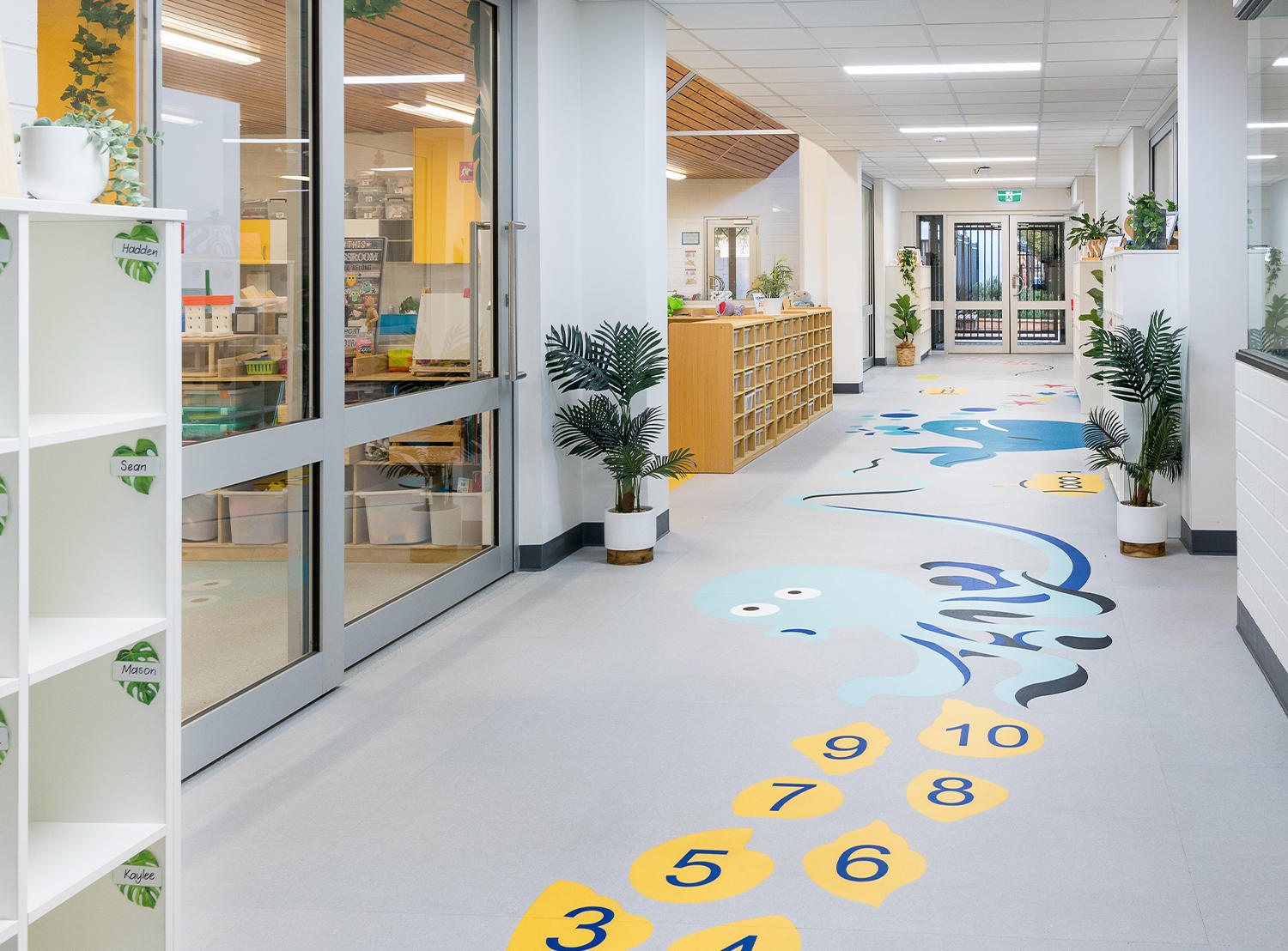
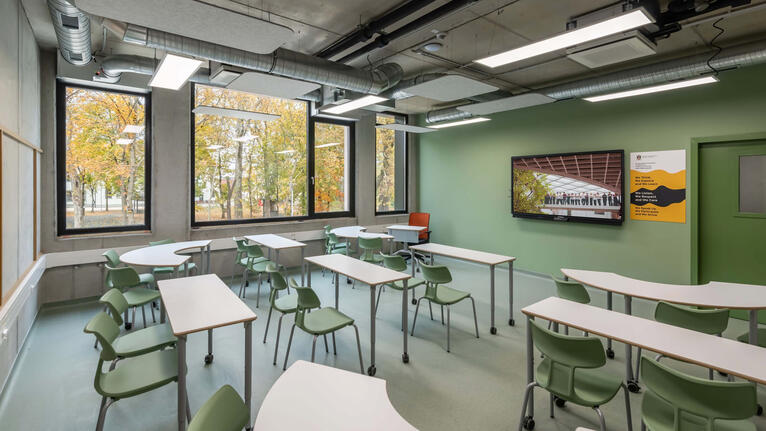
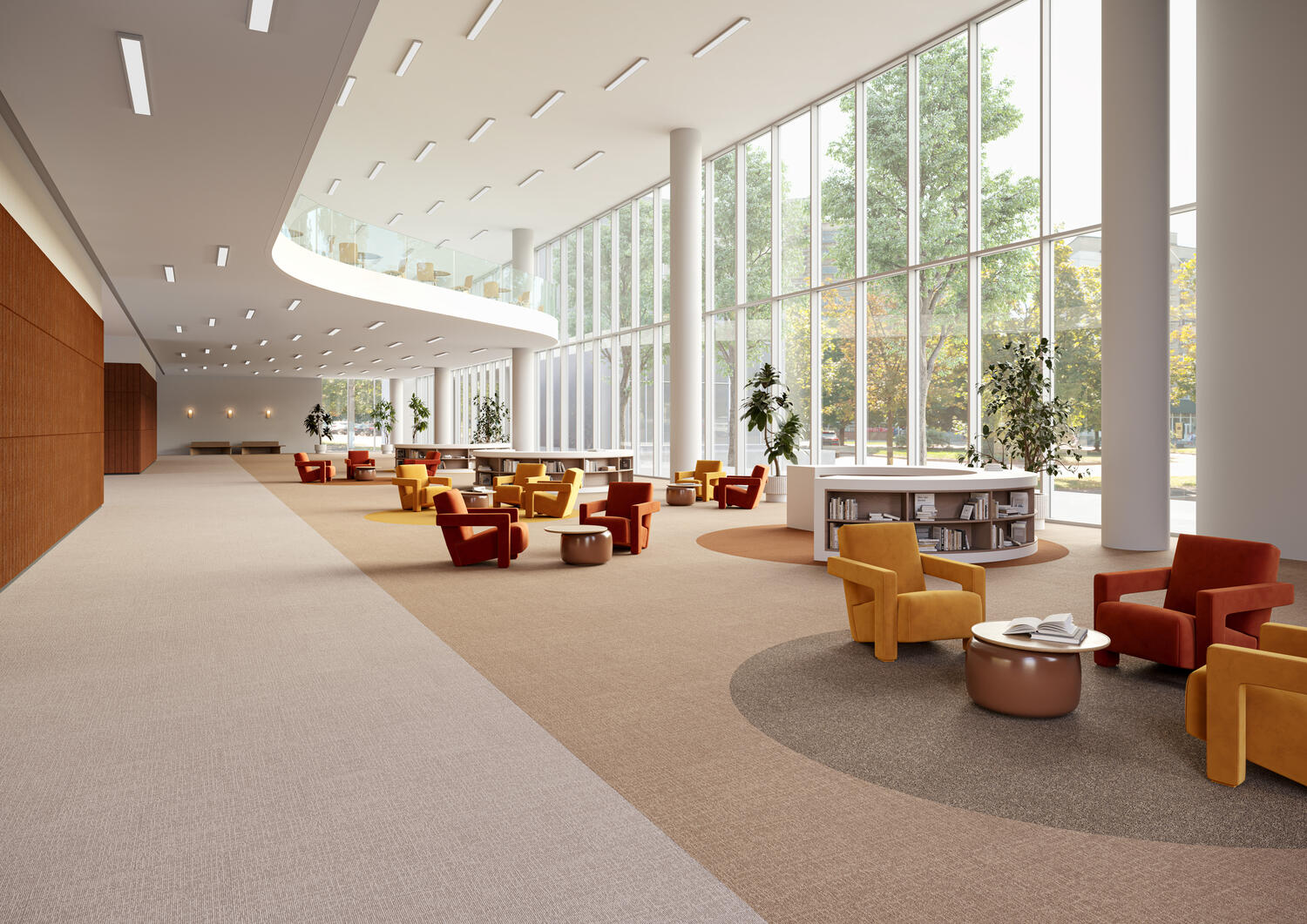
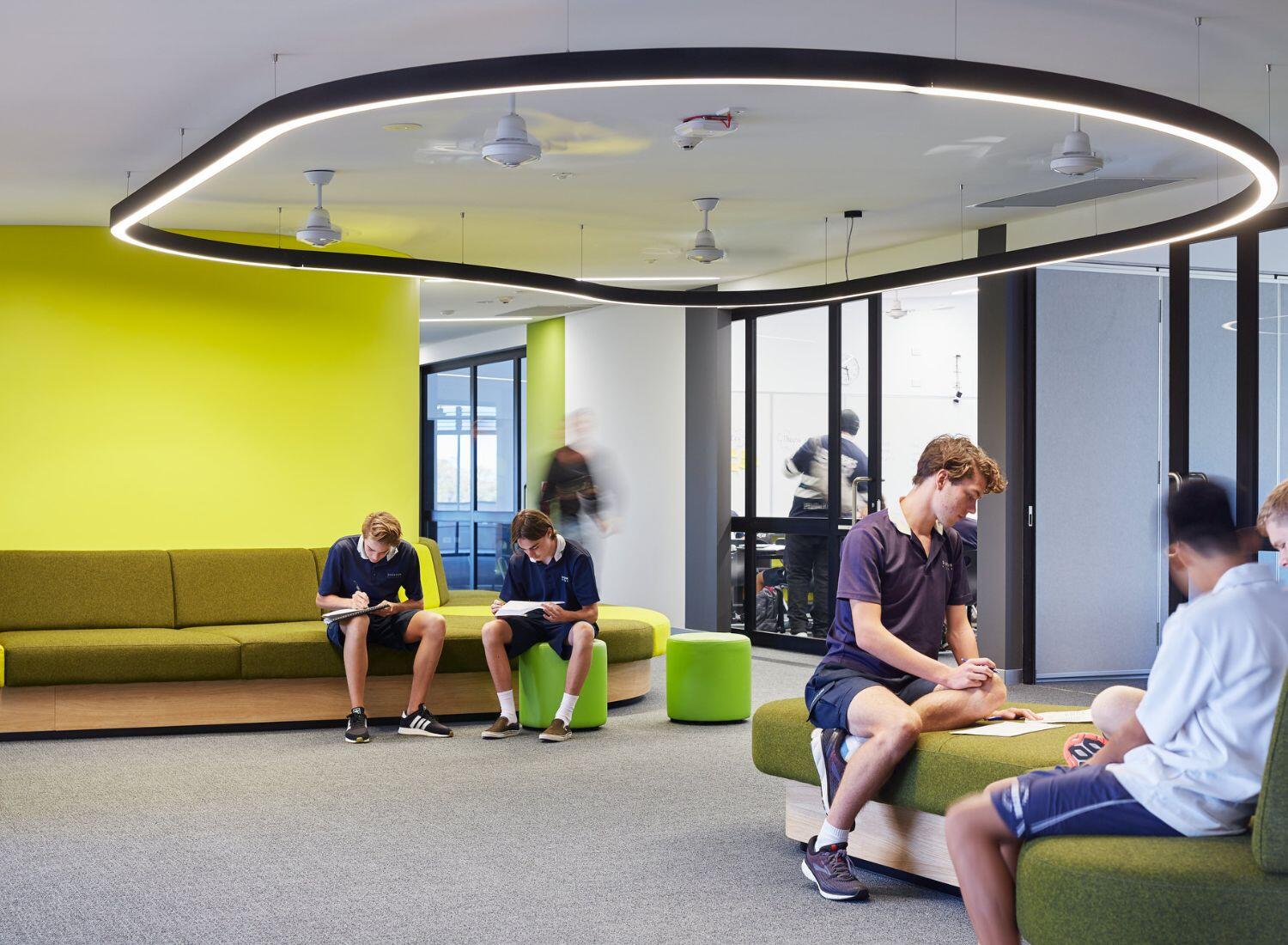
Tarkett’s Colour Study explores how colour integrates with age, space and learning behaviours across early education, primary, secondary and higher education environments. Grounded in environmental psychology and informed by educators and designers, it reveals how colour can be used more strategically to support learning outcomes.
Why colour matters in education
Colour has been shown to produce measurable psychological and physiological responses, affecting everything from tension levels to cognitive engagement.
In learning environments, the right colour approach can influence how students feel, behave and interact with a space.
The Colour Study explores:
• How colour impacts focus, calm and engagement
• Where colour supports or disrupts learning
• The role of materials, including flooring, in shaping perception
Four emotive design palettes
To translate research into practice, the Colour Study introduces four design palettes, each grounded in human response and aligned to different learning needs.
Rather than fixed schemes, these palettes provide a framework for making more informed colour decisions across education environments.
Inside the study, you'll discover how each palette:
- Supports specific emotional and behavioural outcomes
- Can be adapted across age groups and spaces
- Integrates with material and flooring selection
From research to real environments
Colour decisions in education don’t exist in isolation, they must work alongside performance requirements such as durability, acoustics and maintenance. From classrooms to corridors, subtle colour choices can shape how spaces are understood and used.
The Colour Study focuses on the thinking behind these decisions, helping you connect research with real-world design challenges. For practical implementation across flooring systems, our Designing for Education guide guide provides further detail.
A more informed approach to colour in education
Designing with colour requires more than intuition.
The Colour Study brings together research, behavioural insight and spatial thinking to help you make more confident, evidence-based decisions across education environments.
Whether you're designing for early learning or higher education, it offers a clearer understanding of how colour can influence well-being, focus and performance.
Frequently asked questions
How does colour affect student learning?
Colour influences mood, alertness and cognitive processing. Calm tones can support concentration, while brighter accents can stimulate engagement when used appropriately.
What colours improve concentration in classrooms?
Greens and soft blues are often associated with focus and balance. However, effectiveness depends on lighting, scale and contrast within the overall design.
Should flooring colour change with age group?
Yes. Younger children respond well to clearer contrasts and more stimulating tones, while older students often prefer harmonious and mature palettes.
Is colour important in higher education spaces?
Absolutely. Although university environments may appear more restrained, colour still shapes comfort, identity and motivation, particularly in study and collaborative areas.